Five Everyday Food Habits That Support Longevity (and a Few to Rethink)
Nutrition for Women Over 40: Simple Food Habits, Routines and Support That Actually Work
As we head into a new year, it’s a great time to reflect not only on the goals we’re setting, but also the habits we’ve built around food, often without even realising. While diet trends come and go, there are a few simple, sustainable practices that experts consistently agree support our long-term health, energy and wellbeing.
A recent article in The Age shared five food habits Dietitians generally recommend, and five they don’t. Inspired by this, I wanted to highlight the ones I see most often with my clients, and offer some practical ways you can bring these ideas into your daily routine. Because when it comes to nutrition for women over 40, small shifts in how we eat can support bigger shifts in how we feel.
1. Build Meals Around Protein
As we move through our 40s and beyond, protein becomes essential, not just for muscle strength, but also for supporting energy, blood sugar regulation, and even mood. Protein-rich meals can help you feel fuller for longer, making it easier to sustain your energy and avoid that 3pm slump or late-night snacking cycle.
Try this:
-
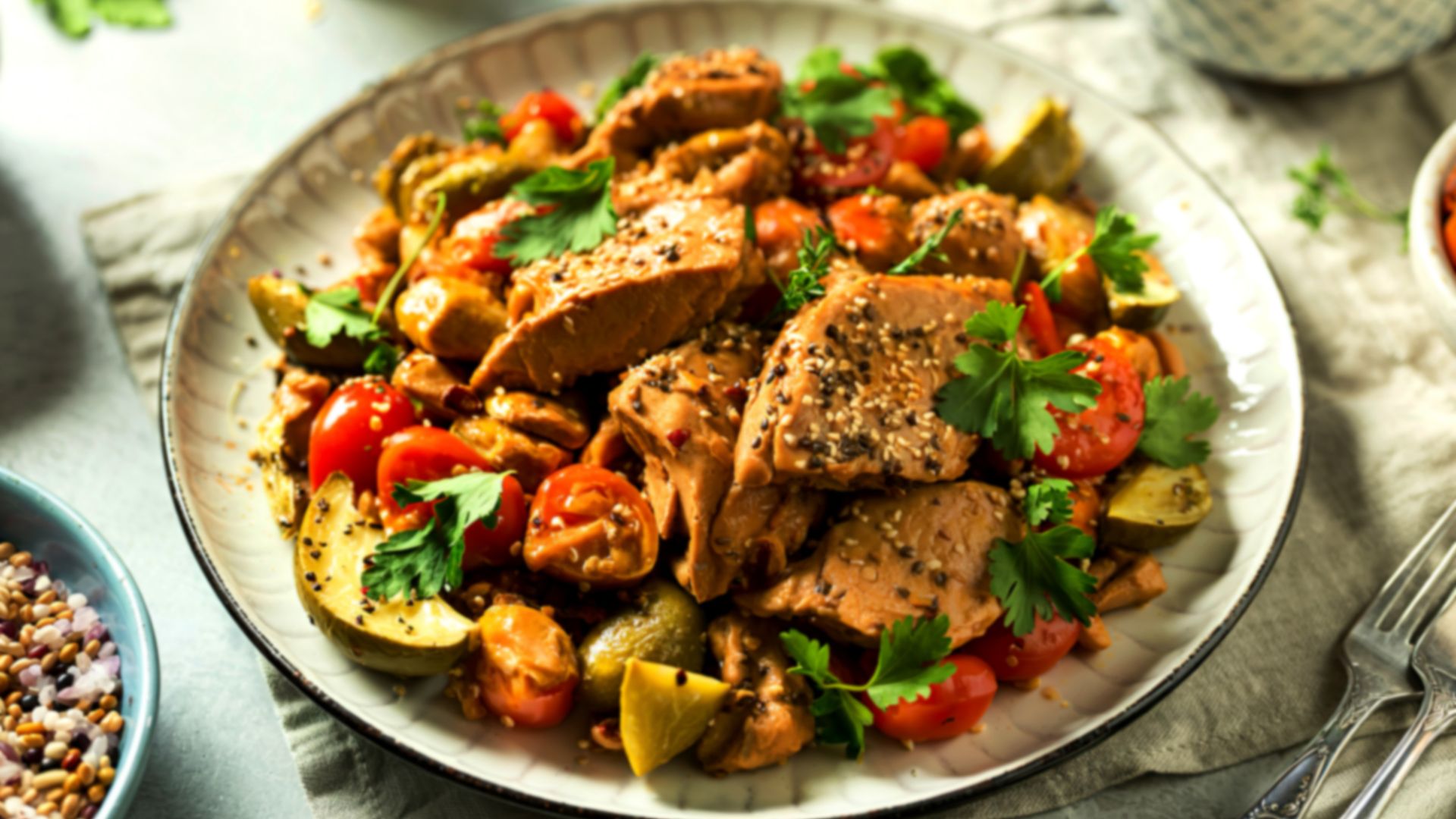
Start the day with eggs, a protein smoothie, or Greek yoghurt with seeds.
-
Add lentils, tofu, fish or chicken to your lunch salad.
-
Include a palm-sized portion of protein at dinner to help with muscle repair overnight.
Mindset shift: Eating for nourishment is a form of self-care, not restriction.
2. Reduce Refined Carbs, Not All Carbs
Carbs get a bad rap, but the key is quality over quantity. Our metabolism can change in midlife, so it's wise to choose carbs that offer fibre, slow-release energy and gut health benefits like veggies, legumes and oats, over white bread, pastries and sugary cereals.
Try this:
-
Switch to a veggie-packed stir-fry with brown rice or quinoa instead of pasta.
-
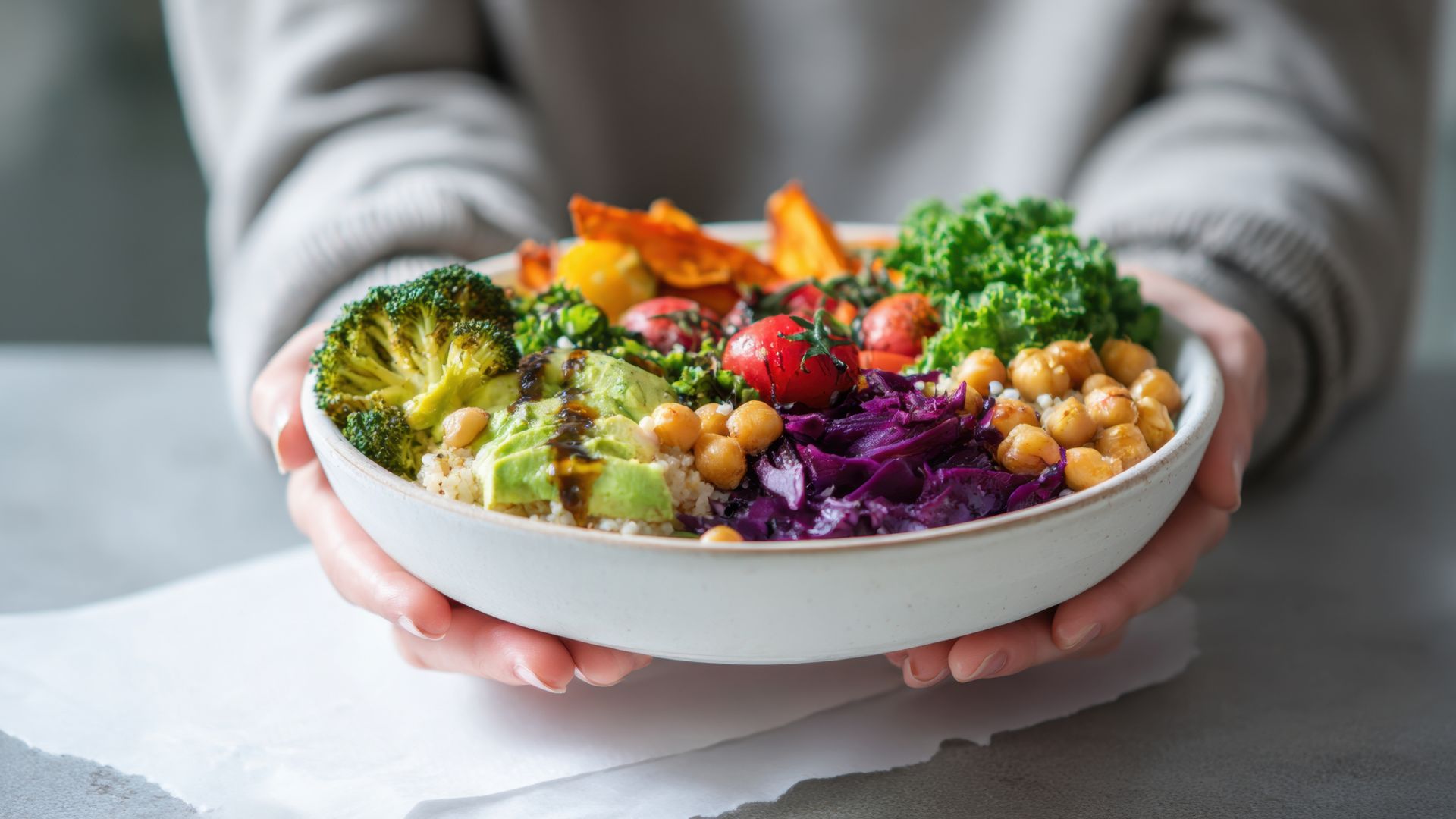
Add roasted chickpeas or hummus to your meals for extra fibre and plant-based protein.
-
Replace crackers with veggie sticks and hummus or avocado dip for an afternoon snack.
Mindset shift: Instead of cutting carbs entirely, aim to upgrade them.
3. Prioritise Fruits and Vegetables Daily
Most Australians fall short on fruit and veggie intake (97% in fact!), and yet this is one of the most powerful things we can change to boost vitality, immunity, and mood. Increasing colourful plant foods supports your digestion, hormone balance, and overall energy—especially important when navigating perimenopause.
Try this:
-
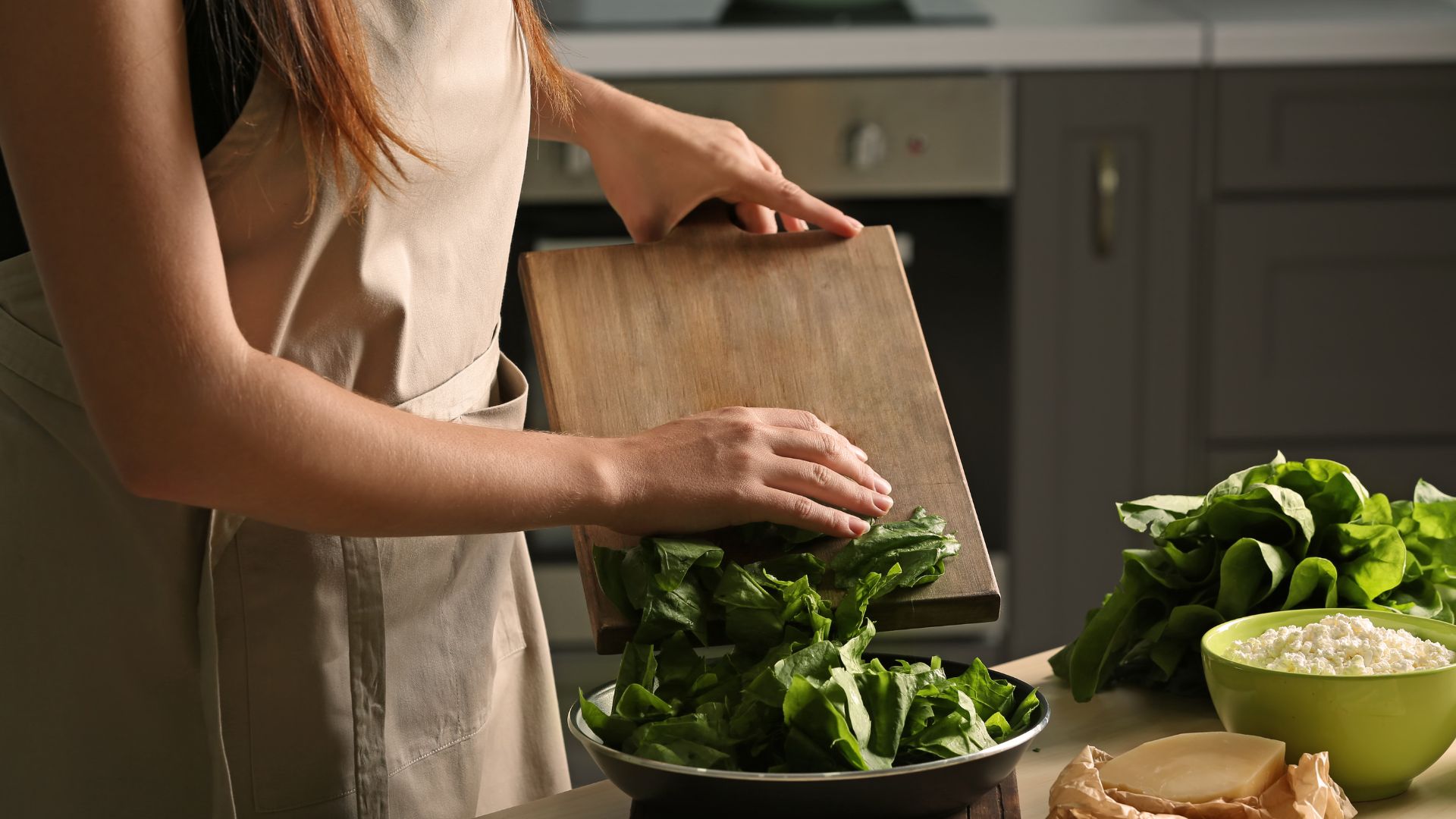
Add a handful of spinach to your breakfast eggs or smoothie.
-
Snack on berries, citrus or cut-up veggie sticks instead of packaged options.
-
Aim for “rainbow meals” - the more colours, the more nutrients.
Mindset shift: Every colourful bite is a step toward feeling more like yourself.
4. Include Joyful Indulgences, Without Guilt
Let’s be real, life includes chocolate, wine, and birthday cake. And it should. A balanced approach means we allow space for enjoyment without spiralling into all-or-nothing thinking.
Try this:
-
Choose a few indulgences that truly bring you joy and savour them fully, occasionally.
-
Instead of labelling foods as “bad,” ask yourself: does this food actually support how I want to feel, physically and emotionally?
-
Build treats into your week with intention, not as a reward, but as part of life.
Mindset shift: Confidence grows when you trust yourself to make aligned choices, not perfect ones,
5. Be Intentional With Coffee, Not on Autopilot
Coffee can absolutely be part of a healthy lifestyle, but like anything, moderation matters. If you're having one or two cups a day and really enjoying them, there’s likely no issue. But if you're finding yourself reaching for a third or fourth cup out of habit, it might be time to pause and ask: Why?
- Is it something you do on autopilot, like a reflex when you feel tired, bored, or overwhelmed?
- Is it a quick fix for fake energy because you didn’t sleep well or skipped lunch?
- Is it filling the gap where a nourishing meal or proper rest should be?
(Confession: I’ve been guilty of all of these at times!)
Try this:
-
Keep your morning coffee if it’s something you truly enjoy. Make it a mindful moment rather than a rushed reflex.
-
If you're feeling the urge for an afternoon hit, ask yourself whether what you really need is food, water, fresh air, or rest.
-
Swap the second or third coffee for something more nourishing: herbal tea, a short walk, or a high-protein snack can often provide the lift your body’s actually craving.
Mindset shift: It’s not about cutting out coffee, it’s about staying connected to what your body really needs.

A Few Habits to Rethink
You don’t need to overhaul your entire lifestyle to feel better, but there are a few habits that might be worth reviewing if they’re causing more stress than support.
-
Calorie counting: It can create disconnection from your body’s true signals. Try tuning into how you feel before and after meals instead.
-
All-or-nothing diets: If something feels unsustainable, obsessive, or hard to integrate into daily life, it probably isn’t the right fit for the long-term.
-
Extreme fasting or juice cleanses: These might sound tempting, especially post-holidays, but they can deplete energy, disrupt metabolism, and lead to rebound behaviours.
Skipping meals: Regular, balanced meals support energy, focus and hormone regulation. Skipping meals may backfire, leading to cravings, low energy or overeating later.
Final Thoughts
If you're looking to make positive changes in the new year, focus on building easy healthy meals you enjoy and that nourish you, not punish you. Sustainable wellbeing isn’t about chasing the perfect diet, it’s about learning what works for you, in this season of life.
Want support with building better habits, or creating a plan to support your that helps you feel your best and fits your unique lifestyle? Let's connect. I’d love to help you create a wellbeing roadmap that supports your goals, your energy, and your life.