What I Wish More Women Knew About Perimenopause
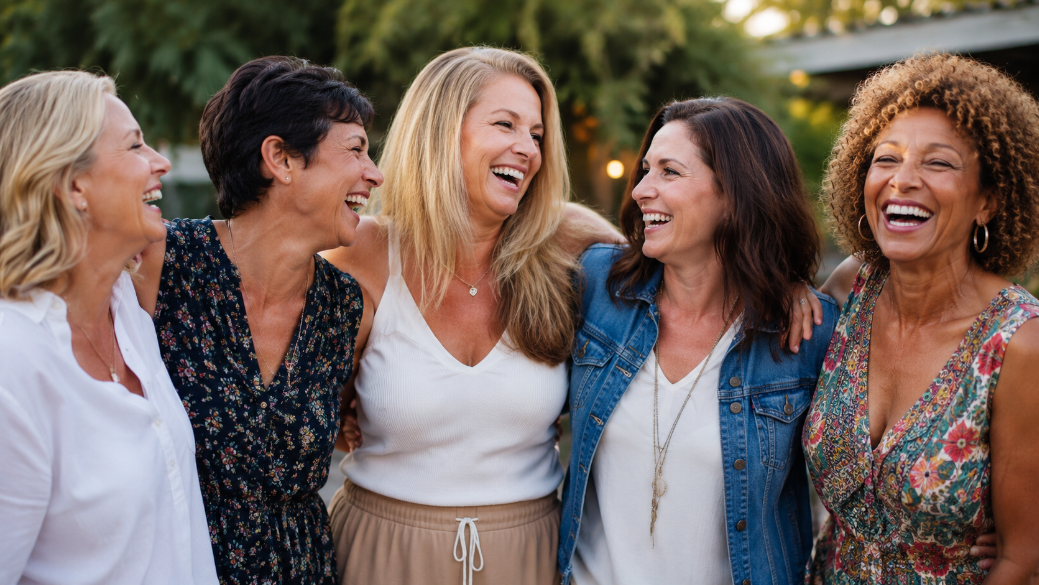
Insights, reflections and practical takeaways from our Thrive Through Change wellness event.
A few weeks ago, I had the pleasure of spending a morning with a wonderful group of women at our Thrive Through Change perimenopause wellness event, alongside Dr Usha Thiagaraja from Pranavi Womens Health. And what a fabulous morning it was.
I appreciate that taking three hours out of your day to focus on yourself can feel like quite a big commitment, particularly when you're juggling work, family and all the other responsibilities that so often come with this stage of life. But what an investment: an opportunity to better understand what's happening in your body, ask questions, learn from other women's experiences and explore what you can do now to support your health, not just through perimenopause, but for many years to come.
I've been reflecting on some of the conversations we had that morning, the feedback we received and, perhaps most excitingly, some of the changes women have been making in the weeks since, and there are a few things I'd love to share with you.
1. It's not just about hot flushes and irregular periods
One of the things women found particularly valuable was Usha's explanation of the many different symptoms that can be associated with perimenopause.
Most of us are familiar with some of the more commonly talked about symptoms, but what about changes in our mood, anxiety, brain fog, joint pain, disrupted sleep, changes in libido or vaginal dryness? How many women are experiencing changes in how they feel, without necessarily making the connection to what's happening hormonally?
Perhaps they've put it down to being busy, getting older or simply having a particularly stressful time in their lives.
Usha shared a fantastic symptom tracker to help women become more aware of what they're experiencing and have more informed conversations with their doctor. And whilst not every symptom we experience in midlife is necessarily related to our hormones, understanding what could be happening gives us a much better starting point for exploring it. There's something incredibly empowering about having a better understanding of your own body.
2. We need to get more comfortable talking about the uncomfortable stuff
One of the things I particularly loved about Usha's approach was her willingness to talk openly about some of the things we might ordinarily feel a little awkward discussing: sex, libido, vaginal changes and some of the more intimate aspects of women's health.
There was no embarrassment, no awkwardness and no sense that any question was off-limits, and this came through really strongly in the feedback. Women appreciated having access to a doctor, but equally, they appreciated having a space where they felt comfortable asking questions and sharing their experiences.
I think sometimes we underestimate how valuable that is. How often do we quietly put up with something because we're not sure whether it's normal, we're embarrassed to talk about it or we simply don't realise there's help available? And how often does hearing another woman say, "Oh gosh, I've been experiencing that too!" give us the confidence to start having those conversations?
We deserve to feel comfortable talking about every aspect of our health and we deserve to know what support is available to us.
3. What worked for you in your 20's and 30's might not be what you need now
If you've spent any time with me, you'll know this is something I talk about A LOT! Our bodies change. Our lives change. And what we need to support our health can change too.
Yet so many of us are still trying to look after ourselves in the same way we did in our 20s and 30s.
- Perhaps you've always focused on cardio because that's what you've enjoyed and what has worked for you in the past, but you've never really given much attention to strength training.
- Perhaps you've spent years focusing on eating less, when what you might benefit from now is paying more attention to how well you're nourishing your body.
- Perhaps you've always been able to get away with burning the candle at both ends, but you're finding that your body isn't quite so forgiving these days.
Rather than feeling frustrated that the things we've always done aren't having the same effect, perhaps it's an opportunity to get curious about what our bodies need from us now.
What would it look like to work with the body you have today, rather than trying to get it to respond the way it did twenty years ago?
That might mean making some changes to how you eat, how you exercise, how you manage your energy or how you prioritise rest and recovery.
And those changes don't need to happen all at once.
4. It's not an either/or conversation
One of the reasons I was so excited to run this event with Usha was how aligned we are in our approach to women's health.
Yes, we explored the medical aspects of perimenopause, including hormone replacement therapy (HRT), but we also focused on the lifestyle foundations that are so important to our health and wellbeing. And I think that's a really important conversation.
For some women, HRT can make an enormous difference to their quality of life. For others, different treatment options may be more appropriate. These are individual decisions to explore with a suitably qualified healthcare professional.
But regardless of whether or not HRT is part of your approach, the foundations of good health still matter.
- Nourishing your body and meeting your nutritional needs.
- Building and maintaining muscle strength and supporting bone health.
- Getting sufficient, good-quality sleep.
- Finding ways to manage stress and support recovery.
- Making time for yourself and the things that bring you joy.
- Developing habits that support your wellbeing over the long term.
These aren't things we need to choose instead of medical support. They're things that need to work alongside it. And importantly, they're not just about helping us feel better through perimenopause. They're about investing in our future health, our strength, our independence and our ability to continue doing the things we love as we get older.
5. It's the little things we actually do that make the difference
As much as I loved the morning itself, one of the things I've enjoyed most has been hearing from women in the weeks since.
One friend has found a wonderfully simple way to get started with strength training at home. Another has been using the How to Hit Your Protein Goals resource I shared during the session to make some changes to what she's eating. She's already noticed a difference in her energy levels and cravings.
I absolutely love hearing these stories. Not because these women have completely overhauled their lifestyles, but because they've taken something they learnt and found a way to make it part of their lives.
And that's where the real value of spending those three hours together lies.
Interestingly, when we asked women what they'd like to explore in more detail, many of the responses were about the practicalities.
- How do I actually get enough protein?
- How do I fit strength training into my week?
- How can I improve my sleep?
- How do I better manage my stress when life is already so busy?
It's not necessarily that we need to be convinced these things are important, it's that we need to find ways to make them happen. And sometimes that means starting much smaller than we think we need to, trying a different approach or getting a little help along the way.
Where could you start?
If you're navigating perimenopause, menopause or simply noticing that your needs are changing as you get older, I'd love you to take a few minutes to reflect on these questions.
What changes have I noticed in myself?
Are there symptoms or changes in how you're feeling that you've been dismissing or quietly putting up with? Would it be helpful to start tracking them or have a conversation with your doctor?
Am I looking after the body I have now?
Are there things you've always done that might need a little rethinking? Are there aspects of your health that could benefit from more attention at this stage of your life?
What's one area of my wellbeing I'd love to improve?
Perhaps it's building strength, nourishing yourself better, improving your sleep or finding ways to feel a little less overwhelmed.
Importantly, you don't need to work on everything at once.
What's one small change I could make to support that?
Think about what would be realistic within your life right now, rather than what you think the ideal approach might look like.
Where could I benefit from some additional support?
Perhaps it's medical advice, help with nutrition or exercise, some accountability or simply having someone to talk things through with. You don't need to have all the answers yourself.
An investment in yourself
One of the comments in our feedback that really resonated with me was about the importance of making time to look after ourselves, rather than continually putting everyone and everything else first.
I think that's something many of us can relate to. We're often very good at making appointments for other people, supporting the people we love and making time for the things others need from us. But how often do we make that same investment in ourselves? Whether it's taking three hours to attend a workshop, making an appointment with your doctor, setting aside time to exercise or simply giving yourself some space to think about what you need, these are all worthwhile investments.
And I'd love us to start seeing them that way. Not as another thing we need to squeeze into our already busy lives, but as something that supports us in living those lives well.
A huge thank you to Usha for sharing her knowledge and expertise so generously, and to the wonderful women who joined us, asked questions, shared their experiences and made the morning what it was.
I'm looking forward to creating more opportunities for these conversations, because I believe every woman deserves to understand what's happening in her body, know what support is available to her and feel empowered to look after herself through this stage of life and beyond.
Would you like to join us next time?
Usha and I are looking forward to creating more opportunities for women to come together, learn, connect and have meaningful conversations about their health.
If you'd like to be kept informed about our future workshops, or there's a particular aspect of women's health you'd love us to explore in more depth, I'd love to hear from you.