Planning Beats Fatigue: Movement Without Mental Load

Struggling to exercise when you’re tired isn’t a motivation problem, it’s often decision fatigue.
In midlife, many women experience a unique combination of mental load, hormonal changes, and fluctuating energy levels. This can make even simple choices, like deciding what workout to do, feel overwhelming. If you’ve ever found yourself skipping movement because you “just couldn’t decide,” you’re not alone.
Understanding the link between decision fatigue and exercise in midlife is key to creating a routine that actually works. Instead of relying on willpower or rigid plans, the focus shifts to reducing daily decisions and supporting your energy in a more sustainable way.
In this article, you’ll learn how to simplify your approach to movement with flexible, realistic strategies that help you stay active, even on low-energy days.
If you’ve ever stood at your kitchen bench and thought,“I know I should move… I just can’t decide what to do,” you’re not lacking motivation, you’re tired of deciding.
By midlife, most women are carrying a significant mental load. Work. Family. Appointments. Meals. Emails. Emotional labour. Add fluctuating hormones and disrupted sleep, and your brain is often running on reduced capacity. So, when exercise becomes yet another decision, it’s no wonder it feels overwhelming.
The solution isn’t pushing harder. It’s making fewer decisions.
Here are six gentle ways to plan your movement so it supports your energy, instead of draining it.

1. Plan the Structure, Not the Session
In midlife, energy isn’t linear. Some days you feel strong and capable. Other days you’re flat before lunch. Instead of locking yourself into specific days and times, try planning the shape of your week.
Instead of:
“I’ll do 3 x 45-minute gym sessions.”
Try:
“I move 4 days a week. What that looks like depends on my energy.”
This shifts from what to when.
You’re pre-deciding:
- How many days
- Rough time window
- General type (strength / mobility / walk)
But you leave room for your body.
For example:
- Move four times
- Include strength twice
- Add one longer walk
- Include some mobility/stretching
You’re creating a rhythm, not a rigid schedule.
That way, when Wednesday arrives, you’re not asking, “Should I exercise?” You’re simply deciding which day fits your energy best.
Planning reduces the number of decisions you make, not the flexibility you have. Structure gives clarity. Flexibility gives sustainability.
2. Create a Simple “Movement Menu”
Decision fatigue often comes from too many choices. So rather than starting from scratch every time, from an overwhelming list of possibilities, create a short list of go-to options you already know work for you.
It might look like 5-7 options you are familiar with and enjoy:
- 20-min strength at home
- 10-min mobility flow
- Walk and Talk with a friend
- Gym session
- Swim
- Stretch + breathwork
- Dance in kitchen
Now you’re choosing from familiar options, not fifty possibilities. When your brain is tired, familiarity feels safe and doable.
That’s cognitive load reduction without rigidity.

3. Match Movement to Energy (Not Motivation)
In midlife, waiting for motivation can be frustrating. (spoiler: it sometimes never arrives!) And fluctuating hormones influence energy levels more than we realise.
Instead of asking, “Do I feel like it?” Try asking, “What’s my energy level today?”
You might decide:
- High energy → Strength
- Moderate energy → Brisk walk
- Low energy → Mobility or stretching
In this way you pre-plan the decision tree. Now when you're tired, you don’t debate.
You just match energy to option. This also eliminates decision amnesia (“What was I supposed to do again?”).
There’s no judgement in this approach. Just responsiveness. You’re working with your body, not against it.
4. Decide Your Minimum
All-or-nothing thinking is exhausting and decision fatigue increases when the bar feels too high. If your standard is a 60-minute workout, and you only have 15 minutes, it’s easy to skip it altogether.
So, pre- decide in advance what “enough” looks like.
It might be:
- 10 minutes
- A short walk around the block
- A simple stretch routine
If you do more, great! If you don’t, you still win. When the minimum is clear, the internal debate disappears. You don’t skip it because it feels too big, and it stops the “I’ll start next week” conversation in your head.
Small, consistent movement builds far more long-term energy than occasional bursts of intensity.
5. Create a Default Movement
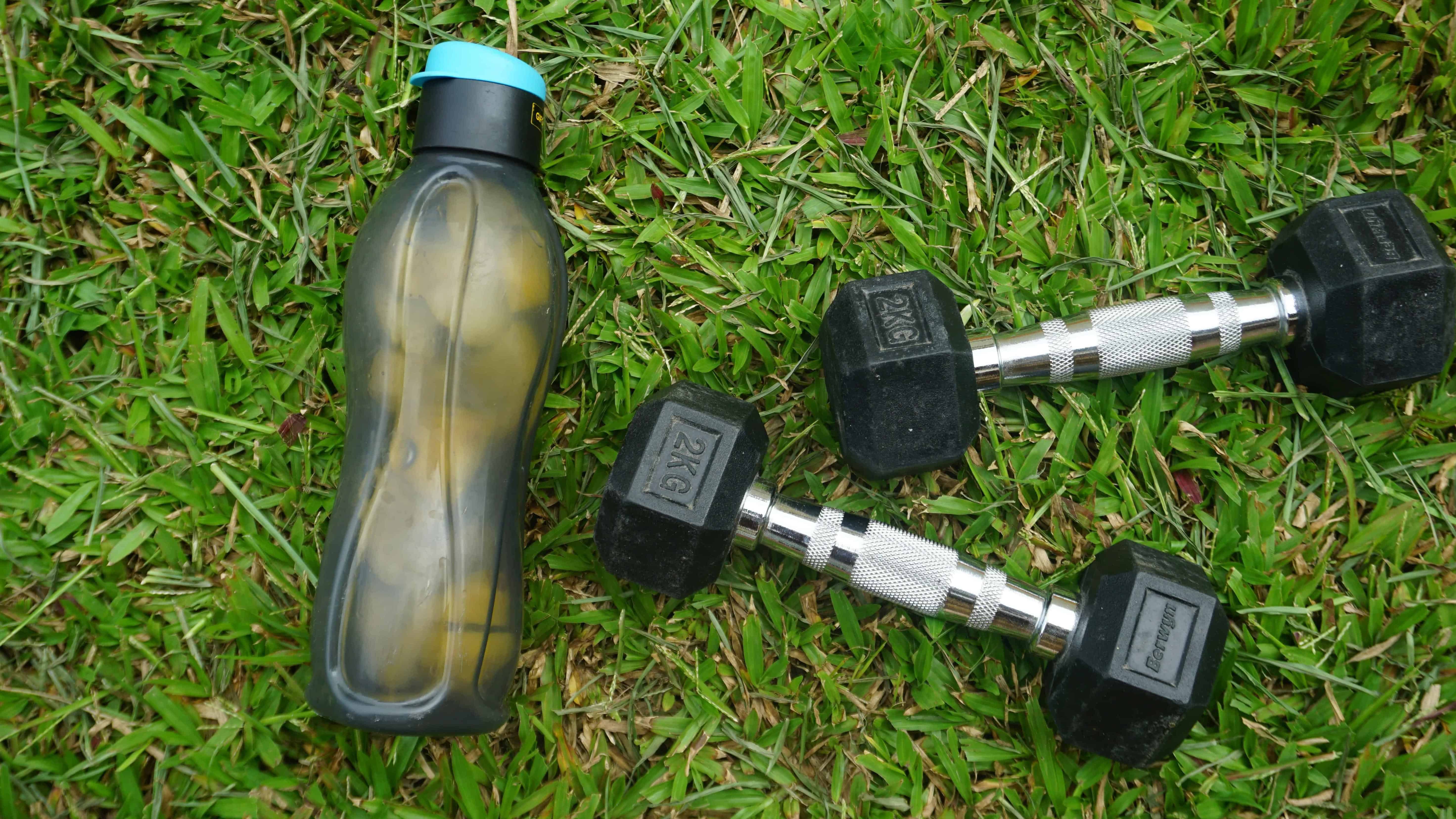
One of the simplest ways to reduce decision fatigue is to make movement automatic. For example:
- A 15-minute walk after lunch.
- A stretch before your shower.
- Squats while dinner cooks.
- Calf raises while you clean your teeth
When something becomes your default, it stops requiring willpower. The decision is already made. It becomes part of who you are, someone who moves.
And identity-based habits are far more sustainable than motivation-based ones.
6. Build a Weekly Rhythm Instead of a Strict Schedule
Life in midlife is rarely predictable. So, instead of assigning fixed days, aim for a weekly rhythm:
- Two strength sessions
- Two walks
- One mobility session
You don’t need to decide the exact days ahead of time. You simply complete them across the week.
This approach respects hormone fluctuation, busy days, energy levels. It removes the “should I?” debate and gives you consistency without pressure.
Why This Matters
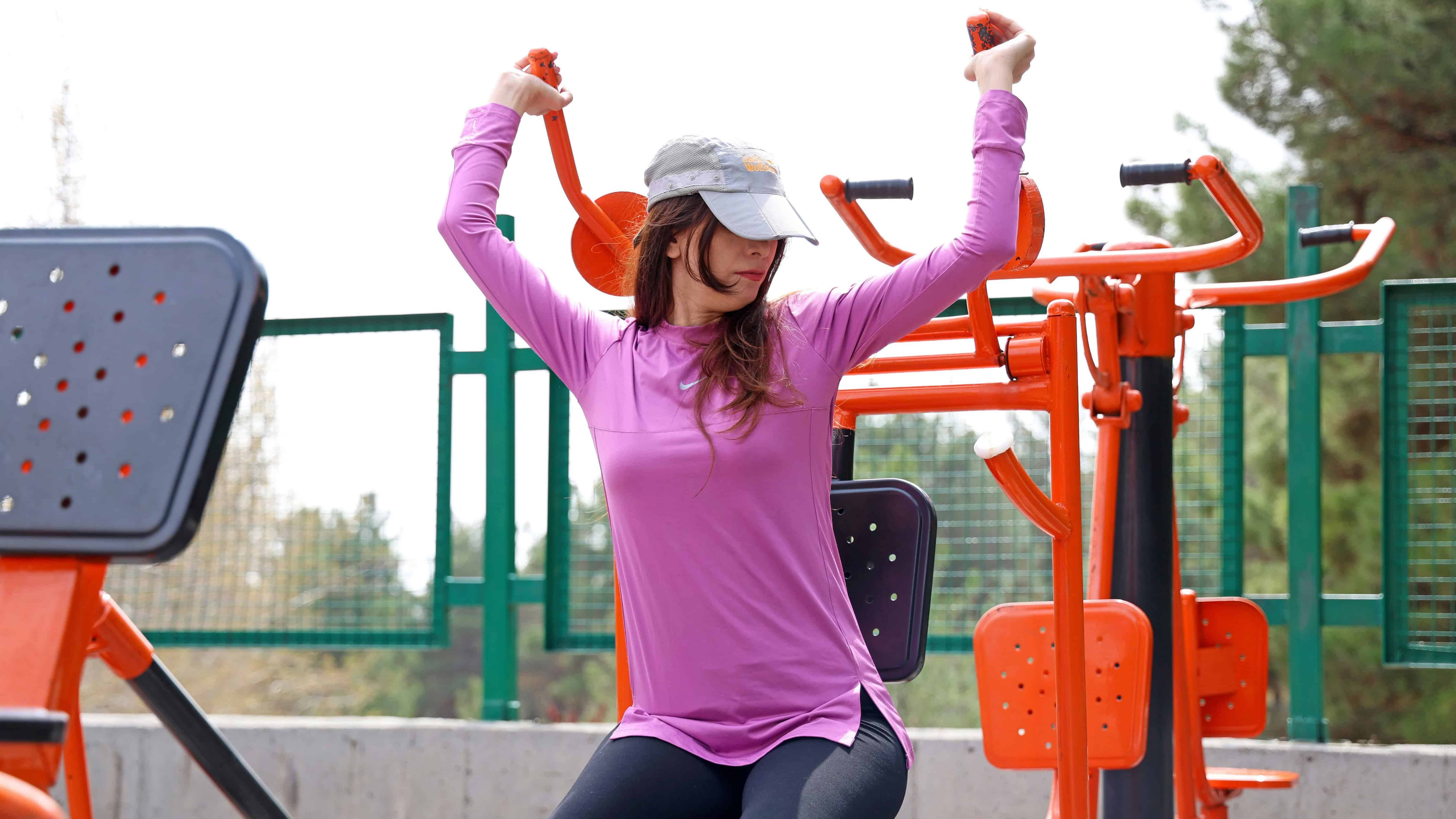
When you reduce the number of decisions you make each day, you protect your mental energy. And mental energy and physical energy are deeply connected.
If movement constantly feels like another demand, your nervous system will resist it. But when it’s gently pre-decided, flexible, and supportive, it becomes something that restores you. Planning doesn’t restrict you. It protects you.
And the same principle applies to food. When every meal requires a new decision, fatigue builds quickly. But even a loose weekly framework , knowing your breakfasts, planning a few dinners removes dozens of decisions before they happen.
Less decision-making.
Less fatigue.
More steady energy.
And that’s what we’re really aiming for in midlife.
Not perfection.
Not punishment.
Just supportive systems that make healthy choices easier.
If you’d like to delve deeper, here are some more articles and a workshop taster.
Movement for Energy and Balance in Midlife
Stress and Hormones: Why It Matters More Than Ever in Midlife