When Healthy Habits Start Feeling Like You
Why some healthy choices eventually stop feeling like hard work.
Have you ever noticed that some things you once had to remind yourself to do, you now do without thinking?
- Maybe it’s taking a water bottle when you leave the house.
- Putting on your seatbelt.
- Brushing your teeth before bed.
- Checking the weather before you head out.
None of those things require motivation anymore. You don’t debate them. You don’t need a burst of willpower. You simply do them. Somewhere along the way, those things stopped feeling like habits and they simply became part of everyday life.
It made me wonder, How do some habits become part of who we are, while others continue to feel like hard work?
We often assume it should always feel difficult
One of the most common things I hear is, “I just wish healthy habits felt more natural.”
As though if they’re still having to think about them, they’re somehow doing it wrong.
But I don’t think that’s true, because almost every habit feels awkward in the beginning. Not because we’re incapable, but because it’s unfamiliar.
Then something quietly changes
At first, you remember to drink more water. Eventually you just feel strange if you don’t.
At first, you plan your meals because you’re trying to eat well. Eventually planning simply becomes how you make your week easier.
At first, you go for a walk because you know you ‘should’. Eventually you notice you miss it when you don’t.
It’s such a subtle shift that we often don’t notice it’s happening.
The behaviour stays the same, but the relationship with the behaviour changes.
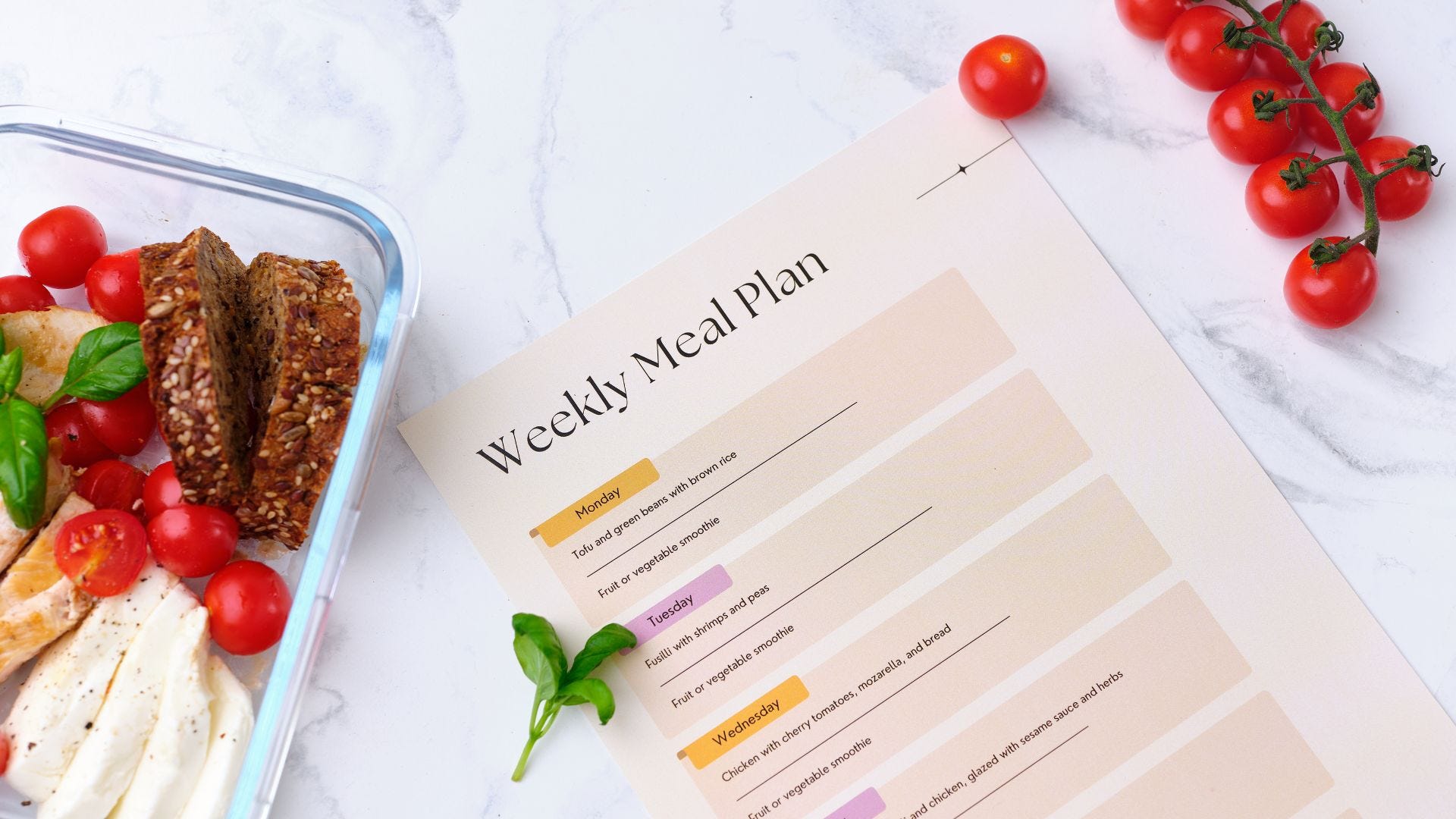
I think about meal planning.
Years ago, it felt like another chore on my list. I’d grumble about having to think of meals for the week, grocery shopping felt like another job that needed doing. It was simply something I felt I had to do.
These days, it’s completely different. Not because I suddenly love writing shopping lists, but because I’ve experienced what planning gives me.
- It saves me time.
- It saves money.
- It reduces food waste.
- It frees up so much mental space because I’m no longer asking myself, “What’s for dinner?” every afternoon.
The behaviour hasn’t changed. I still sit down each week and plan. But my relationship with that behaviour has changed completely.
It no longer feels like another job.
It feels like one of the kindest things I can do for my future self.
And honestly, I wouldn’t want to start a week without it!
Habits don’t become easier because we become more disciplined
They become easier because they become more familiar. Less like something we’re trying to remember and more like something that fits naturally into our day.
That made me think about something I see in coaching all the time. The people who create lasting change aren’t usually the people with the strongest willpower. They’re the people who gradually build lives that support the habits they’re trying to create.
Support matters more than motivation
When a habit feels hard, we often ask, “How can I become more motivated?”
Lately, I’ve been wondering whether a different question might be more helpful - "What would make this easier?"
A few weeks ago, I decided I wanted to be more consistent with taking an omega-3 supplement. The bottle sat on my kitchen bench and despite seeing it every day, I was surprisingly hit and miss. Not because I didn’t believe it was important. Not because I lacked motivation. It just wasn’t fitting naturally into my routine.
So I moved it into the bathroom. I put a measuring cup beside it as a reminder to take it before I brushed my teeth. That helped, but I still wasn’t taking it consistently.
Then I noticed what was happening. Every night I needed my reading glasses to measure the right amount and because my glasses weren’t there, I’d often think, “I’ll do it later.”
You can probably guess how that ended!
So I left an old pair of reading glasses beside the bottle. That tiny change was enough. I’ve now taken it every evening for the past three weeks without missing a day.
And the interesting part? I barely think about it anymore. It’s simply become part of my evening rhythm.
Not because I’ve suddenly become more disciplined. Because I removed the little pieces of friction that were quietly getting in the way.
It made me wonder…how many of the habits we find difficult aren’t actually difficult at all? They’re simply asking a little too much of us in that particular moment.
Sometimes what we need isn’t more motivation. t’s a little more support.
Then identity starts to catch up
This is the part I find most fascinating.
At first we say, “I’m trying to become someone who walks every day.”
Eventually we say, “I’m someone who enjoys a walk.”
It’s only a small change in language, but it’s a huge change in identity. The habit is no longer something you’re trying to remember, it’s becoming part of the way you live.
This isn’t about perfection
There are still busy weeks.
- Travel.
- Illness.
- School holidays.
- Unexpected deadlines.
Life doesn’t stop happening.
But when a habit has become part of your identity, it’s much easier to come back to it. Not because you’ve become more disciplined, because it still feels like you.
A different way of measuring progress
Perhaps progress isn’t simply, “How many days did I do it?”
Perhaps it’s also:
- Does this feel more natural than it did six months ago?
- Am I spending less energy convincing myself?
- Does this feel more like something I do… than something I should do?
Those changes are quieter, but they’re often the ones that last.
I’ve been thinking about this myself
When I first started swimming regularly, it took intention.
I had to plan for it - pack my bag, make the time.
Now, if I haven’t been for a while, I notice it. Not because I feel guilty, because something feels missing.
That doesn’t mean I never miss a swim. Of course I do! Life still gets busy, but the relationship has changed. Swimming has become part of my rhythm, not another task on my to-do list.
I wonder if that’s what we’re really aiming for. Not perfect habits, but habits that gradually stop feeling like visitors, and start feeling like they belong.
As you think about your own health, I’m curious...Is there a habit that once felt hard but now feels almost automatic?
Or perhaps there’s one you’re still gently building.
What do you think has made the biggest difference?
I’d genuinely love to hear what you’ve noticed.
Maybe lasting change isn’t about finding more motivation after all. Maybe it’s about creating enough support that healthy choices gradually become part of who we are.
Because one day, almost without noticing, they stop feeling like something we’re trying to do and start feeling like they belong.