Why Big Goals Often Fizzle (And What Works Better for Women Over 40)
Every January, I see the same pattern (and chances are, you do too).
We set goals with the best of intentions.
We promise ourselves that this will be the year things finally change.
More energy. Better habits. Less stress. More time for ourselves.
And then, quietly, without much drama, those goals start to fade.
Not because we don’t care.
Not because we lack discipline.
And definitely not because there’s something wrong with us.
It’s usually because the way we set goals doesn’t match the reality of how our lives actually work—especially in midlife.
The Problem Isn’t You. It’s the Approach.
Most New Year goals are built on the assumption that life will suddenly become calmer, more predictable, or more spacious. That we’ll magically have more time, energy, or motivation.
But let’s be honest: January rarely delivers that.
Instead, it often brings us straight back into full inboxes, school routines, family demands, and lingering fatigue. There’s a pressure to “get back on track,” but often without the support systems in place to make it sustainable.
That’s why big, dramatic goals don’t stick.
They rely heavily on willpower, and when you’re already stretched, willpower is fragile.
Especially for High Achieving Women
If you’re used to high performance, chances are your instinct is to go all in.
Big plans. Bold declarations. Full overhauls.
It feels natural...it’s how we’ve succeeded in other areas of life.
But when it comes to your health, energy, and wellbeing, those same strategies can backfire. They tend to be rigid, unsustainable, and disconnected from real life.
They don’t leave room for fluctuating energy, unexpected challenges, or just…being human.

What Actually Works? Small, Consistent Shifts
Here’s the quiet truth I see again and again in my work:
Small, well-chosen habits done consistently create more momentum than grand plans ever will.
Why?
Because they fit.
They flex.
They’re designed for real life, not an ideal one.
When you follow through on something small, you build trust with yourself.
Your nervous system learns:
“I can do this.”
“I don’t need to punish myself to make progress.”
“I can move forward without burning out.”
That self-trust becomes the foundation for lasting change.
Start with the Energy You Have
One of the biggest mindset shifts I work on with women is this:
Energy isn’t something you earn after being consistent.
Energy is what makes consistency possible in the first place.
Trying to overhaul your habits from a place of exhaustion is like trying to build a house on quicksand.
If you’re already tired, stretched, or carrying the mental load of a full life, even the most well-meaning plan can feel heavy.
That’s not failure. That’s feedback.
Nutrition for Women Over 40: Energy First, Not After
Let’s talk about something practical for a moment: nutrition.
At this stage of life, the way we eat plays a massive role in how we feel.
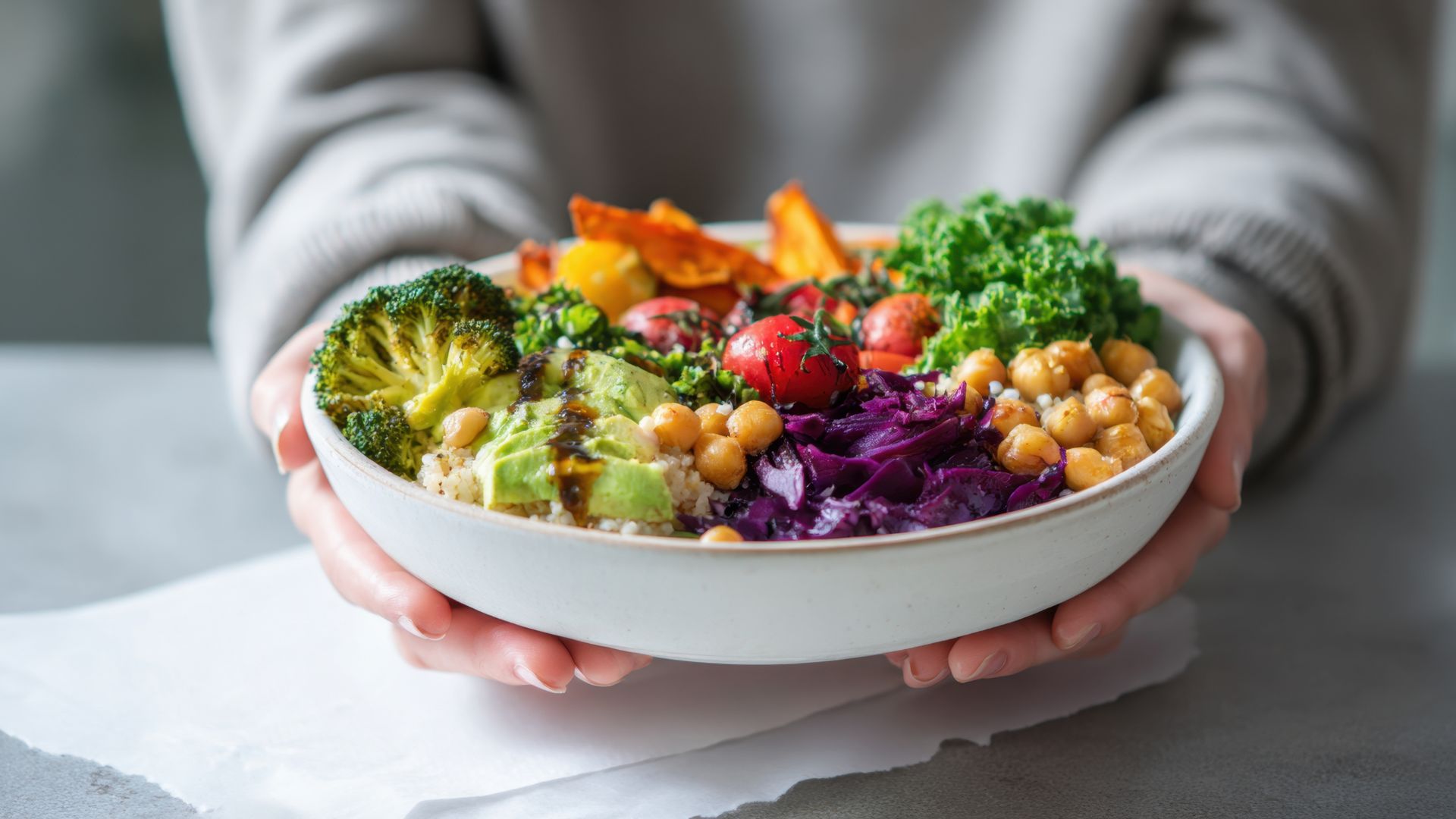
You don’t need to follow a strict perimenopause diet, cut out food groups, or count every calorie. But you do need to fuel yourself in ways that stabilise energy and support your body’s changing needs.
- Think protein, fibre, and hydration at the core of your meals.
- Choose easy healthy meals that support, not drain you.
- Focus on what gives you steady energy, not quick spikes.
- Forget restriction. Instead, start with what supports you feeling better.
A Few Habits Worth Rethinking
You don’t need to overhaul your lifestyle, but a few common habits may be silently sabotaging your progress:
-
Calorie counting – Can disconnect you from your hunger cues. Try tuning into how you feel before and after meals instead.
-
All-or-nothing diets – If it’s not something you can maintain during a busy week, it’s probably not sustainable.
-
Skipping meals or overly restrictive eating – This often leads to rebound snacking, cravings, or low energy.
Instead of chasing perfect nutrition, ask:
“How do I want to feel after I eat?”
Let that guide your choices more than any rule ever could.
What a Supportive Rhythm Looks Like
Starting the year strong doesn’t mean sprinting out of the gates.
It means building a rhythm you can keep up with when life gets full.
That might look like:
- Moving your body in ways that feel good, not punishing
- Planning meals around protein and fibre instead of dieting
- Creating a wind-down routine instead of chasing perfect sleep
- Allowing for flexibility instead of rigid all-or-nothing plans
These aren’t flashy.
They don’t get a round of applause.
But they work.
Because they make it easier to return, even when things get messy.
The Skill That Matters Most? Returning.
Let’s debunk the myth of perfect consistency.
Real life doesn’t follow a neat routine.
Some days you show up fully. Some days you don’t. That’s human.
What matters is your ability to return, without guilt, without punishment.
Return to:
-
a short walk, even if your day is packed
-
a nourishing meal, even if the last few weren’t
-
five minutes of calm, even if the morning was chaos
No drama. No “starting over.” Just returning.
That’s the rhythm that lasts.
You Don’t Need a Reset. You Need Support.
If this time of year has felt heavy or disjointed, please know:
You’re not behind. You’re in process.
Forget the pressure to “get back on track.”
Ask instead: What would help me return more gently?
Because when your energy is held, your habits can hold too.
This is the lens I come back to again and again:
Support before effort.
Capacity before commitment.
Energy before expectation.
That’s how we build something that lasts.
Ready to Start Gently?
If you're feeling that quiet urge to do something differently this year, you're not alone.
Not because you need to be more productive. But because you want to feel more supported.
That’s what I help women create:
Nutrition, energy, and lifestyle rhythms that work with their life—not against it.
- Start small.
- Start with support.
- And start the way you want to continue.
Ready to reset with support?
If you’re not sure what your body needs most right now, start with my free Wellbeing Quiz to get clarity.
Or if you’re ready to take action and ease back into your rhythm, my 5 Day Reset offers simple daily steps that support your energy, without the pressure to be perfect.
You’ll focus on small daily habits like adding protein, 10-minute movement, calming your nervous system, and reconnecting with yourself.
No restriction. Just a gentle rhythm to help you feel more like you again.
However you choose to begin, remember this: change doesn’t have to be loud to be powerful. Gentle consistency beats all-or-nothing every time.